

Ryan Green and the Ryan-Madyson Real Estate Group October 27, 2026
By Ryan Green and the Ryan-Madyson Real Estate Group
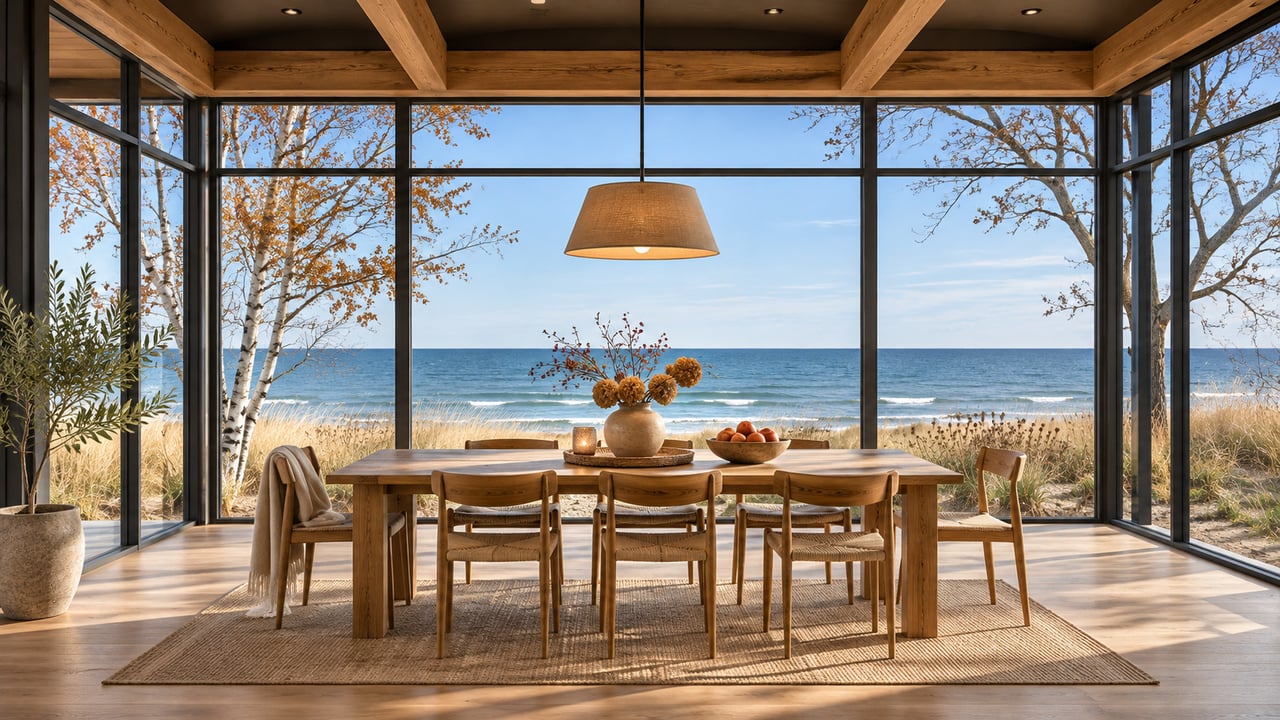
There’s something special about owning a home on Lake Michigan. Morning walks along the beach, sunsets over the water and time with family make the lakeshore a place people return to year after year.
But buying a beachfront home involves more than finding the right view. The shoreline, beach access, property boundaries and maintenance needs can vary significantly from one home to the next—even between neighboring properties.
Whether you’re looking in St. Joseph, Stevensville, New Buffalo, Union Pier, Sawyer, South Haven or another Southwest Michigan community, here are ten questions to ask before making an offer.
Not every home advertised as “beachfront” or “Lake Michigan access” offers the same type of ownership.
Some properties have direct lake frontage. Others sit across a road from the water or offer access through an association, a shared path or an easement. A home may have beautiful lake views without including a legal right to use the beach in front of it.
Before making an offer, ask:
Review the deed, survey, title commitment and any association documents with your agent and, when appropriate, a Michigan real estate attorney. The listing description is a starting point, but the recorded documents matter.
A wide sandy beach can be one of the biggest attractions of a Lake Michigan home. But the beach you see during one showing may look different in another season or year.
Water levels, wind, storms and shoreline conditions can affect the amount of exposed sand. Some properties have a broad beach during lower water periods and a much narrower beach when water levels rise. Others may have rocks, a seawall or limited beach access even though they have direct frontage.
Ask the seller for older photos and information about how the shoreline has changed. If possible, visit at different times and consider how you would enjoy the property if the beach were narrower than it is today.
Ask: “What did the beach look like during the last period of high water?”
Many Southwest Michigan lakefront homes sit on a bluff above the water. The elevation can provide exceptional views, but it also makes the condition of the slope an important part of the purchase.
Look for signs that deserve further evaluation, such as exposed roots, leaning trees, cracks near the edge, drainage flowing toward the bluff or areas where soil appears to have moved. These observations don’t necessarily mean a property has a serious problem, but they are reasons to ask questions.
Depending on the property, a qualified geotechnical engineer or shoreline professional may be appropriate. Ask about previous erosion, drainage improvements, bluff work and any studies or repairs the seller has completed.
Ask: “Has the shoreline or bluff been evaluated, repaired or monitored, and are reports available?”
Some Lake Michigan properties are subject to state regulations that can affect construction, additions, septic systems and other work.
Michigan’s Department of Environment, Great Lakes, and Energy—commonly called EGLE—provides maps and guidance for designated high-risk erosion areas and critical dune areas.
For example, EGLE says construction of a structure on a parcel in a designated high-risk erosion area can require a permit, even when the proposed work is farther from the shoreline. Critical dune requirements can also affect common projects. The rules and buildable area depend on the specific property and proposal.
If you envision adding a garage, pool, guest house or addition, investigate those plans before your inspection period ends. A property can be a wonderful home as it stands while being less suitable for a major expansion.
Ask: “Are there state or local restrictions that could affect what I want to build or change?”
The view from the deck is only part of the experience. It’s also important to understand what it takes to reach the water.
Some homes offer a gradual path to the beach. Others have a long staircase, a steep slope or access shared with neighboring owners. If the stairs are damaged—or the property has no stairs—replacing or installing them may involve engineering, permits and significant expense.
Walk the route yourself and consider how it will work for children, guests, pets and anyone with mobility concerns. Ask who owns and maintains the stairs or path and whether there are existing permits or repair records.
Ask: “Can the existing beach access be maintained or replaced, and who is responsible for the cost?”
Some properties have seawalls, rock revetments or other shoreline protection. Others rely on the natural shoreline.
If a structure is present, ask when it was installed, whether permits were obtained, who designed it and whether it has needed repairs. A shoreline professional can help assess its condition and explain what ongoing maintenance might involve.
Don’t assume you can install a new seawall or modify an existing structure simply because a neighboring property has one. EGLE regulates many shoreline activities, and permitting depends on the location and proposed work.
Ask: “Are there permits, plans and maintenance records for the existing shoreline protection?”
Lakefront boundaries can be more complicated than a fence line on a traditional residential lot. A survey, title review and recorded documents can help identify the property’s boundaries, easements and any shared rights or obligations.
It’s also helpful to understand that owning waterfront property does not necessarily mean you can exclude everyone from walking along the shoreline. EGLE explains that walking along a Great Lakes shoreline is allowed regardless of ownership, while lingering on another person’s shoreline property requires permission. The application of property rights can be fact-specific, so consult a Michigan real estate attorney if the boundaries or rights are important to your decision.
Ask: “Do we have a current survey, and are there any recorded access rights, shared areas or boundary concerns?”
Lake Michigan homes are exposed to wind, moisture, sand, sun and seasonal weather. Depending on the property, that can mean additional attention to windows, decks, exterior materials, stairs, drainage and shoreline structures.
Before removing contingencies, request an insurance quote based on the actual property. Ask about coverage, deductibles and exclusions for wind, water damage, flooding and other concerns.
Standard homeowners insurance generally does not cover flood damage. Flood insurance may be required by a lender in some mapped flood-risk areas, and a lender may impose requirements in other circumstances. Your insurance agent can help you understand the property’s options.
Also ask the seller about:
Ask: “What does it cost to maintain and insure this particular home throughout the year?”
A beachfront home may be perfect as it is—or you may be imagining an expanded kitchen, a larger deck, a pool, a guest house or an entirely new home.
Before counting on those improvements, discuss your plans with the local building and zoning department, EGLE where applicable, and an architect or builder familiar with Lake Michigan properties. Setbacks, dune regulations, erosion rules, lot size, septic requirements and association restrictions may all affect what is possible.
It’s especially important not to assume that an existing structure could be rebuilt in exactly the same location or to the same size after a major loss. Confirm that question with the appropriate authorities and professionals for the specific property.
Ask: “If I purchase this home, can I realistically make the changes that are important to me?”
If you’re considering renting your home when you aren’t using it, investigate the rules before treating rental income as part of your financial plan.
Short-term rental requirements can vary by city, village and township. Association documents, deed restrictions, occupancy limits, permit requirements and insurance policies can also affect whether—and how—you can rent the home.
A property’s past rental history does not guarantee that a new owner can continue operating it under the same terms. Confirm current rules directly with the municipality and review any restrictions with the association and your advisers.
Ask: “Can a new owner legally rent this specific property for the length of stays I have in mind, and what approvals are required?”
A Lake Michigan beachfront home can be a place your family enjoys for years. The key is understanding the property beyond the view: how you’ll reach the beach, what you own, how the shoreline has changed and what it will take to maintain the home.
The right questions can also help you structure an offer with an appropriate opportunity to review documents and complete inspections. Depending on the home and your plans, that may include a survey, insurance quotes, shoreline evaluation, permit review and conversations with local officials.
Ryan Green and the Ryan-Madyson Real Estate Group help buyers explore Lake Michigan waterfront homes throughout Southwest Michigan. Ryan’s background in construction management, custom home building and renovation brings an additional perspective to evaluating a property’s condition and potential.
Ready to explore Lake Michigan beachfront homes? Contact Ryan Green and the Ryan-Madyson Real Estate Group or browse the Lake Michigan Homes neighborhood guide.
Property conditions, shoreline rights, insurance requirements and regulations vary. Buyers should verify details for the specific property with qualified professionals and the appropriate governmental agencies.
Stay up to date on the latest real estate trends.

Southwest Michigan Lifestyle
Southwest Michigan is home to some of the Midwest’s most inviting wineries, breweries, tasting rooms, and vineyard restaurants. From Baroda’s celebrated wine country a… Read more

Southwest Michigan Real Estate
What will a Southwest Michigan second home cost after closing? Compare a St. Joseph condo, a Harbor Country cottage, and an inland lake house. Learn how to estimate yo… Read more

Southwest Michigan Lifestyle
Downtown St. Joseph’s holiday lights are a good reason to visit. The walk from State Street to Lake Bluff Park, the route down to Silver Beach, and the trip back to yo… Read more

Southwest Michigan Real Estate
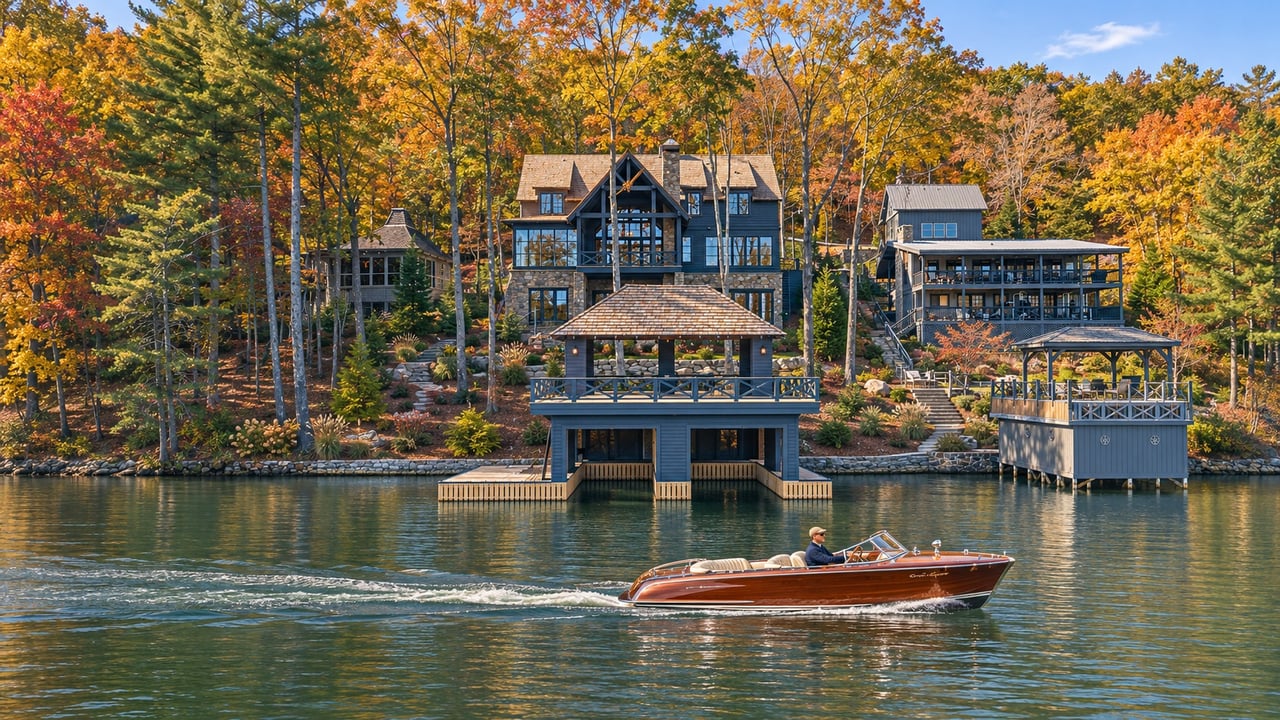
A Lake Michigan view and a boat slip can look like the same deal on a listing page. They can come with very different costs and rights. Here’s how to compare waterfron… Read more

Southwest Michigan Real Estate
Selling a lake home in 2027? Start with the shoreline your buyer will inspect, the access your deed actually conveys, and the sales that best match your property. Here… Read more

Buying
Where would you spend a Saturday in Harbor Country? Compare New Buffalo’s harbor, Union Pier’s cottage beaches, Sawyer’s dunes, and Three Oaks’ village weekends before… Read more
Southwest Michigan Real Estate
Which Southwest Michigan inland lake is right for you? Compare Paw Paw Lake, Diamond Lake, Magician Lake, Indian Lake and Sister Lakes, including waterfront homes, boa… Read more
Southwest Michigan Real Estate
Ryan Green listed and sold two homes on the same St. Joseph street with the same reported square footage. They closed nine days apart, with a $960,000 difference in sa… Read more

Southwest Michigan Real Estate
A pool, walkable location, or resort amenities can help a Southwest Michigan vacation rental stand out. Before you buy, learn how to verify rental rights, compare comm… Read more
At Ryan - Madyson Real Estate Group, we bring experience, passion, and care to every step of your real estate journey. Whether you’re buying, selling, or renovating, we’re here to help with simple solutions and clear guidance. Let us make the process easy and enjoyable. Your dream home is waiting—contact us today!

Ryan - Madyson Real Estate Group
Office
2624 Niles Ave
Saint Joseph MI 49085
(269) 208-7550