Ryan Green September 26, 2026
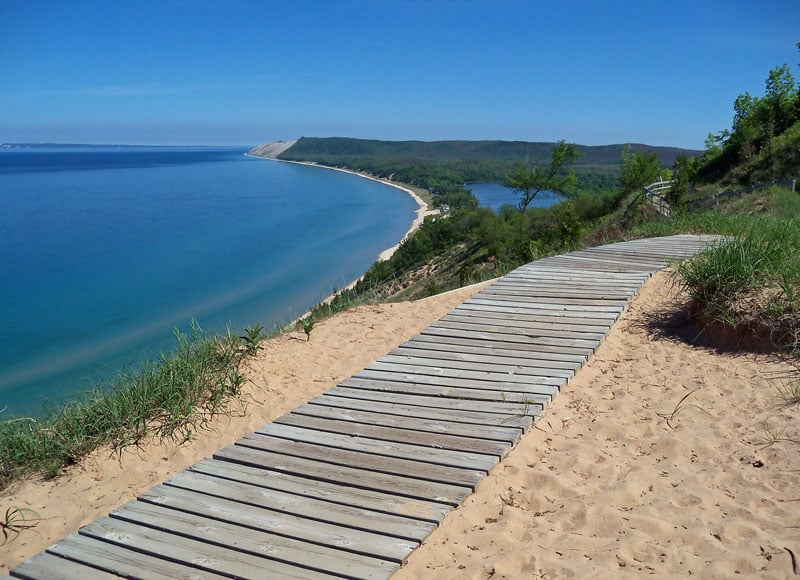
Few properties in Southwest Michigan are as impressive as a home or vacant parcel perched above Lake Michigan. From St. Joseph and Bridgman to New Buffalo, South Haven, Fennville and Saugatuck, bluff-top properties can offer spectacular views, privacy and some of the most dramatic real estate along the lakeshore.
But two Lake Michigan properties that look nearly identical in listing photos can have very different development potential.
The height and composition of the bluff, erosion history, setback requirements, critical dune designation, drainage, access, septic location and local zoning can all affect what can be built—and where.
If you're considering purchasing vacant Lake Michigan frontage or substantially improving an existing waterfront property, understanding the bluff should be part of your due diligence.
“Bluff” is a broad term. Along Southwest Michigan's shoreline, you'll encounter everything from relatively low, gradual slopes to tall wooded dunes and steep, erosion-prone banks.
Some of the major situations buyers encounter include:
Low or gradual bluffs – These may provide easier beach access and fewer construction challenges, but they can still be affected by shoreline erosion, flooding, drainage and setback requirements.
High wooded bluffs – Common along portions of the Southwest Michigan lakeshore, these can provide spectacular views and privacy. Construction may require careful planning for foundations, driveway access, drainage and slope stability.
Sand and dune bluffs – Much of the Lake Michigan coast is part of an extensive dune system. Some properties fall within Michigan-designated Critical Dune Areas, which can trigger additional state regulation.
Eroding bluffs – A bluff may appear stable today but have a documented history of recession. Michigan designates certain shorelines as High Risk Erosion Areas when long-term recession meets regulatory criteria. EGLE currently defines these areas using shoreline recession rates of at least one foot per year over a minimum 15-year period. Michigan
Stabilized or armored shorelines – Some properties have seawalls, revetments or other erosion-control structures. Buyers should not assume the existence of shoreline protection eliminates erosion risk or guarantees that future repairs, replacement or expansion will be approved.
Bluff and dune properties occur throughout the Lake Michigan shoreline, but conditions can change dramatically within relatively short distances.
In Berrien County, buyers encounter bluff properties around areas including St. Joseph, Shoreham, Stevensville, Bridgman, Sawyer, Lakeside, Union Pier, New Buffalo and Grand Beach.
Farther north, bluff and dune properties are found throughout portions of Van Buren County, including the Lake Michigan shoreline around Covert and South Haven, and throughout Allegan County, including areas north of South Haven toward Fennville, Glenn and Saugatuck.
Michigan's official Critical Dune maps specifically include portions of Berrien, Van Buren and Allegan counties. EGLE's examples illustrate just how different these landscapes can be, identifying forested dunes in Berrien County, foredunes and migrating dunes in Van Buren County, and foredunes in Allegan County. Michigan
That's one reason it's dangerous to make assumptions based solely on a property's municipality—or even the property next door.
These terms are sometimes confused, but they're not the same thing.
A Critical Dune Area (CDA) is a state-designated dune area protected under Michigan law. EGLE states that construction of a house or garage, a road or driveway, septic installation, retaining walls and certain other activities within a CDA commonly require permits. Michigan
A High Risk Erosion Area (HREA) relates to documented long-term shoreline recession.
Michigan calculates setbacks based on projected shoreline recession. EGLE's current HREA mapping can show applicable 30-year and 60-year setback distances for regulated properties. Michigan
And a property can potentially be affected by more than one regulatory consideration.
That is why one of my first questions when evaluating an undeveloped Lake Michigan parcel is:
Where is the actual buildable envelope after all applicable setbacks and restrictions are considered?
A 200-foot-deep lakefront lot does not necessarily mean you have 200 feet available for a house.
Before buying an expensive waterfront lot, I recommend approaching the property from the opposite direction most buyers do.
Don't begin with:
“Where would I like the house?”
Begin with:
“Where am I legally and practically able to build the house?”
Then work backward.
For serious due diligence, I would generally want to investigate:
The key is evaluating these issues before assuming the property's acreage or frontage translates into buildability.
Michigan makes several extremely useful tools available to property owners.
EGLE's MiEnviro Site Map Explorer allows users to locate a property and turn on coastal layers including Critical Dune Areas and High Risk Erosion Zones. EGLE also provides a Wetlands Map Viewer and downloadable GIS information. Michigan
Michigan EGLE Critical Dune Areas
Michigan EGLE High Risk Erosion Areas
These are excellent screening tools.
However, I would not make a multimillion-dollar purchase decision based solely on an online map. If a proposed home is close to a regulated boundary or setback, obtain confirmation from the appropriate agencies and professionals.
This is one of the most important concepts for Lake Michigan buyers.
The edge you see today isn't necessarily the shoreline location planners are concerned about decades from now.
Michigan's HREA program considers historic recession and projects shoreline position into the future. EGLE states that its 30-year setback is used for structures considered readily moveable, while the 60-year distance applies to certain non-readily moveable structures, including specified larger-foundation homes or structures involving septic systems. Michigan
EGLE's own guidance gives surprisingly straightforward advice: locate a home as far landward from the top of the bluff as possible. Michigan
For a buyer, that means lot depth can be every bit as important as frontage.
A gorgeous 100-foot-wide Lake Michigan lot may be much less useful if the bluff, road setback, septic field and erosion setback squeeze the house into a very small area.
Conversely, a deeper parcel may provide considerably more flexibility.
A property being legally buildable does not necessarily mean it is economically easy to build on.
Before designing a substantial bluff-top home, a buyer may want a geotechnical engineer to evaluate soil composition, slope stability, groundwater and foundation conditions.
This becomes particularly important with steep slopes, evidence of previous movement, unusual drainage, substantial proposed structures or construction near the bluff.
Water deserves special attention.
Surface runoff from roofs, driveways and landscaping needs somewhere to go. Directing water toward a bluff can contribute to erosion or slope problems. Drainage should therefore be considered during site design—not after the house is built.
State coastal regulation isn't necessarily the only permit consideration.
For example, Berrien County states that an earth change associated with development generally requires a Soil Erosion and Sedimentation Control permit when it disturbs one acre or more or occurs within 500 feet of a lake or stream. Berrien County
Allegan County similarly identifies projects disturbing one acre or more or within 500 feet of certain water bodies as potentially requiring SESC permitting. Allegan County
Van Buren County administers its own SESC program through the County Drain Commissioner's office. Van Buren County
Because most Lake Michigan bluff construction is obviously close to water, soil-erosion requirements should be investigated early.
This is another question I hear frequently with elevated Lake Michigan property.
Sometimes—but don't assume you can simply cut into the bluff and build whatever access system you want.
Interestingly, Michigan provides an exemption for certain stairways within Critical Dune Areas when specific criteria are satisfied. Among other requirements, EGLE says qualifying stairs must be elevated above grade, no more than five feet wide including entry and exit platforms, have no roof or walls, and meet restrictions regarding construction methods and vegetation disturbance. Projects outside those criteria can require a permit. Michigan
A tram, major staircase, retaining structure or significant grading can present a very different permitting situation.
So if direct beach access is critical to your purchase, make it part of the due diligence rather than assuming it can be added later.
For a significant Lake Michigan bluff property, I like assembling the right team before the due-diligence period expires.
That can include a knowledgeable local real estate agent, the municipality's zoning/building department, Michigan EGLE, a licensed surveyor, a geotechnical or civil engineer, an architect or builder experienced with Lake Michigan construction, the county soil-erosion authority, and the local health department when septic or well approval is involved.
For projects involving regulated coastal areas, EGLE actually encourages property owners to request a pre-application meeting with staff. Michigan's Joint Permit Application process can cover several overlapping regulated areas, including Great Lakes bottomlands, wetlands, Critical Dunes and High Risk Erosion Areas. Michigan
That pre-application conversation can be extremely valuable before spending heavily on architectural plans.
This is probably the biggest takeaway.
When buyers see a wooded Lake Michigan parcel with incredible sunsets and 100 or 200 feet of frontage, it's easy to start envisioning the house immediately.
But with bluff property, the usable building envelope is what really matters.
Two neighboring parcels with similar frontage and acreage can have substantially different development potential because of topography, setbacks, erosion designation, dune regulation, soils, septic requirements, drainage and access.
That doesn't make bluff property something to avoid.
Quite the opposite.
Some of Southwest Michigan's most remarkable homes are built on bluff and dune settings. The key is doing the technical work early enough to know what you're buying.
The Ryan-Madyson Real Estate Group works with buyers and sellers throughout Southwest Michigan's lakeshore, including St. Joseph, Stevensville, Bridgman, New Buffalo and Harbor Country, South Haven, Fennville, Saugatuck and surrounding communities.
When evaluating Lake Michigan land, our role isn't to replace an engineer, surveyor, municipality or EGLE. It's to help buyers recognize the questions that need to be answered and connect the appropriate professionals before purchasing a property based on assumptions about what can be built.
Whether you're looking for an existing Lake Michigan home, a renovation opportunity or vacant waterfront land for a custom build, understanding the site can be just as important as understanding the house.
Thinking about buying or selling Lake Michigan waterfront property? Contact Ryan Green and the Ryan-Madyson Real Estate Group to start your search.
Stay up to date on the latest real estate trends.
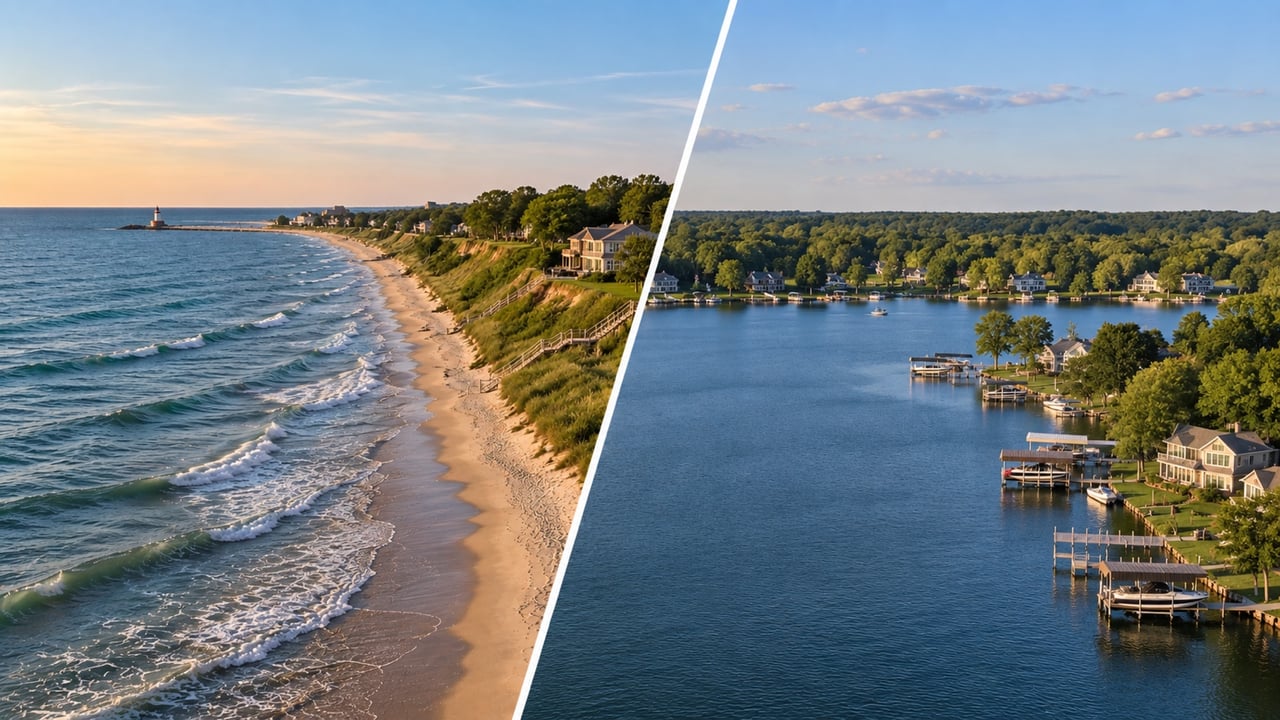
A local guide to beaches, boating, pricing, lake access and second homes across Southwest Michigan.
A local guide to bluff types, critical dunes, erosion setbacks, buildability, permits and due diligence before buying Lake Michigan property.
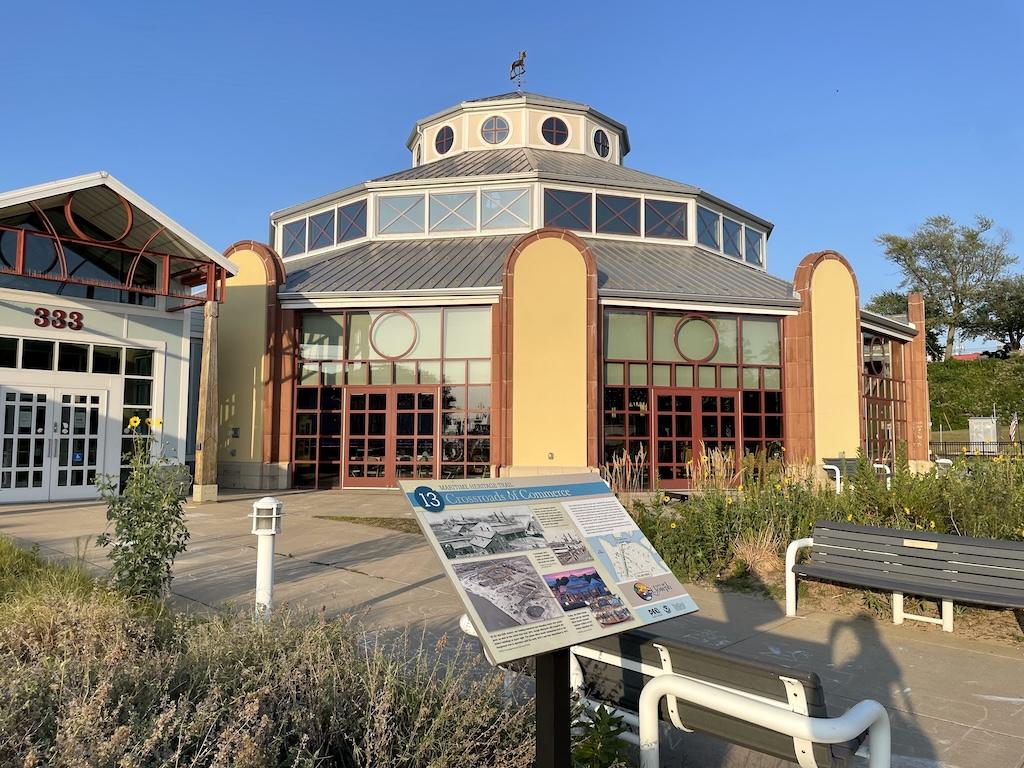
From Harbor Shores golf and Saturday farmers markets in St. Joseph to Warren Dunes, Harbor Country, South Haven and Lake Michigan beaches, discover the activities and … Read more

From Lake Michigan views and downtown dining to locally owned boutiques, discover some of the places that make St. Joseph one of Southwest Michigan’s most enjoyable co… Read more
Discover what makes St. Joseph one of Southwest Michigan’s most desirable places to live, from Lake Michigan beaches and downtown amenities to waterfront homes and est… Read more
At Ryan - Madyson Real Estate Group, we bring experience, passion, and care to every step of your real estate journey. Whether you’re buying, selling, or renovating, we’re here to help with simple solutions and clear guidance. Let us make the process easy and enjoyable. Your dream home is waiting—contact us today!

Ryan - Madyson Real Estate Group
Office
2624 Niles Ave
Saint Joseph MI 49085
(269) 208-7550